
Southern right whale residency, site fidelity and date of calving off southern Australia (1991–2021)
Barra lateral del artículo
Contenido principal del artículo
Resumen
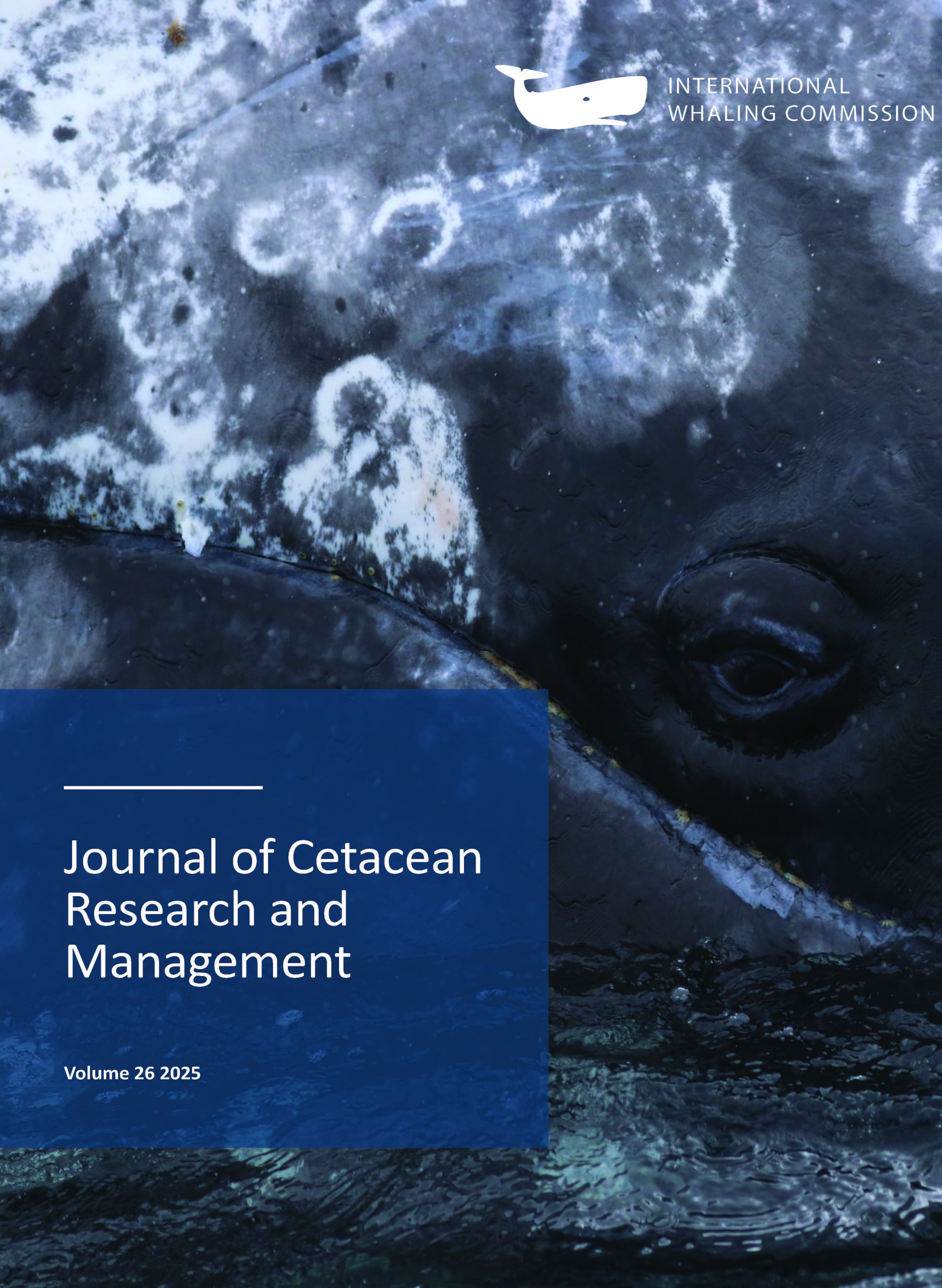
Southern right whale (Eubalaena australis) residency, site fidelity and date of calving were assessed using three decades (1991–2021) of shore‐based photo‐identification data collected at the Head of Bight (HOB) in the Great Australian Bight, South Australia. Females with calves exhibited prolonged seasonal residency up to 3.5 months, while unaccompanied adults were more transient. Over time, mean within‐year residency declined significantly for both groups: from 71 to 53 days for females with calves, and from 20 to 14 days for unaccompanied adults. Site fidelity also declined: 57.6% of reproductive females (n = 554) returned to HOB across years, compared with 92% reported in the early 1990s (n = 61). Calving site fidelity was observed in 76.5% of known females. Some females were observed with a calf at HOB up to 13 times (mean = 2.16 calves, SD = 1.81). The mean calving date remained consistent over three decades (24 July, SD = 14.6). The HOB dataset also includes the only documented cases of natal site fidelity in Australia (n = 24), with resighting probability of calves increasing markedly after six years, supporting delayed return until sexual maturity. Whales not accompanied by a calf account for 20% of sightings, and a third of known reproductive females were recorded during non‐calving years. These findings underscore the importance of coastal winter aggregation areas for reproduction and migration, supporting policy and legislative efforts to protect threatened species through marine protected areas (MPAs), in line with national recovery targets and the global goal for the conservation of natural ecosystems.
Detalles del artículo

Esta obra está bajo una licencia internacional Creative Commons Atribución-NoComercial 4.0.
You are free to:
- Share copy and redistribute the material in any medium or format
- Adapt remix, transform, and build upon the material
- The licensor cannot revoke these freedoms as long as you follow the license terms.
Under the following terms:
- Attribution You must give appropriate credit, provide a link to the license, and indicate if changes were made. You may do so in any reasonable manner, but not in any way that suggests the licensor endorses you or your use.
- NonCommercial You may not use the material for commercial purposes.
- No additional restrictions You may not apply legal terms or technological measures that legally restrict others from doing anything the license permits.